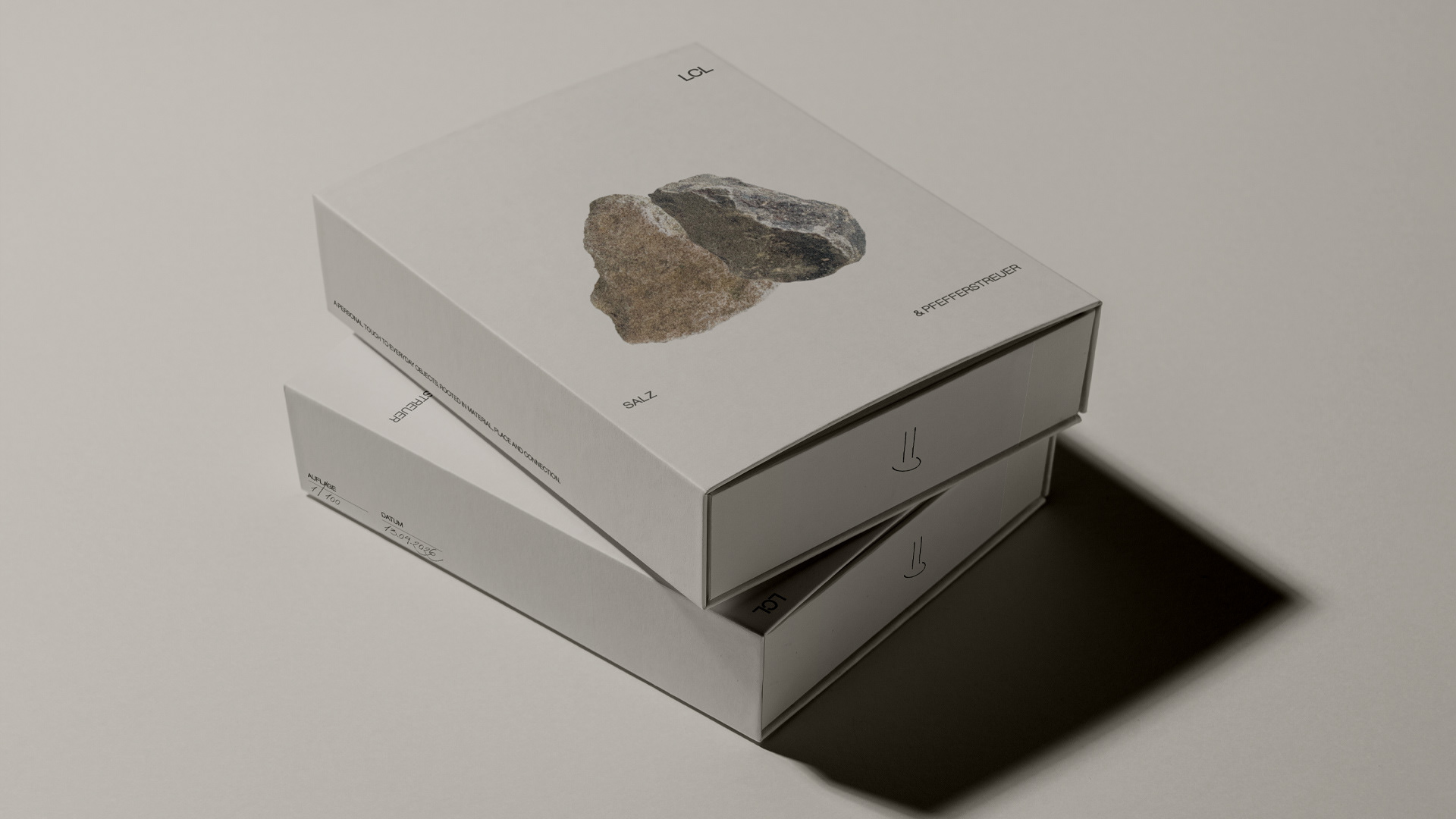
A PERSONAL TOUCH TO EVERYDAY OBJECTS,
ROOTED IN MATERIAL, PLACE AND CONNECTION.
ROOTED IN MATERIAL, PLACE AND CONNECTION.
LCL Salz- & Pfefferstreuer
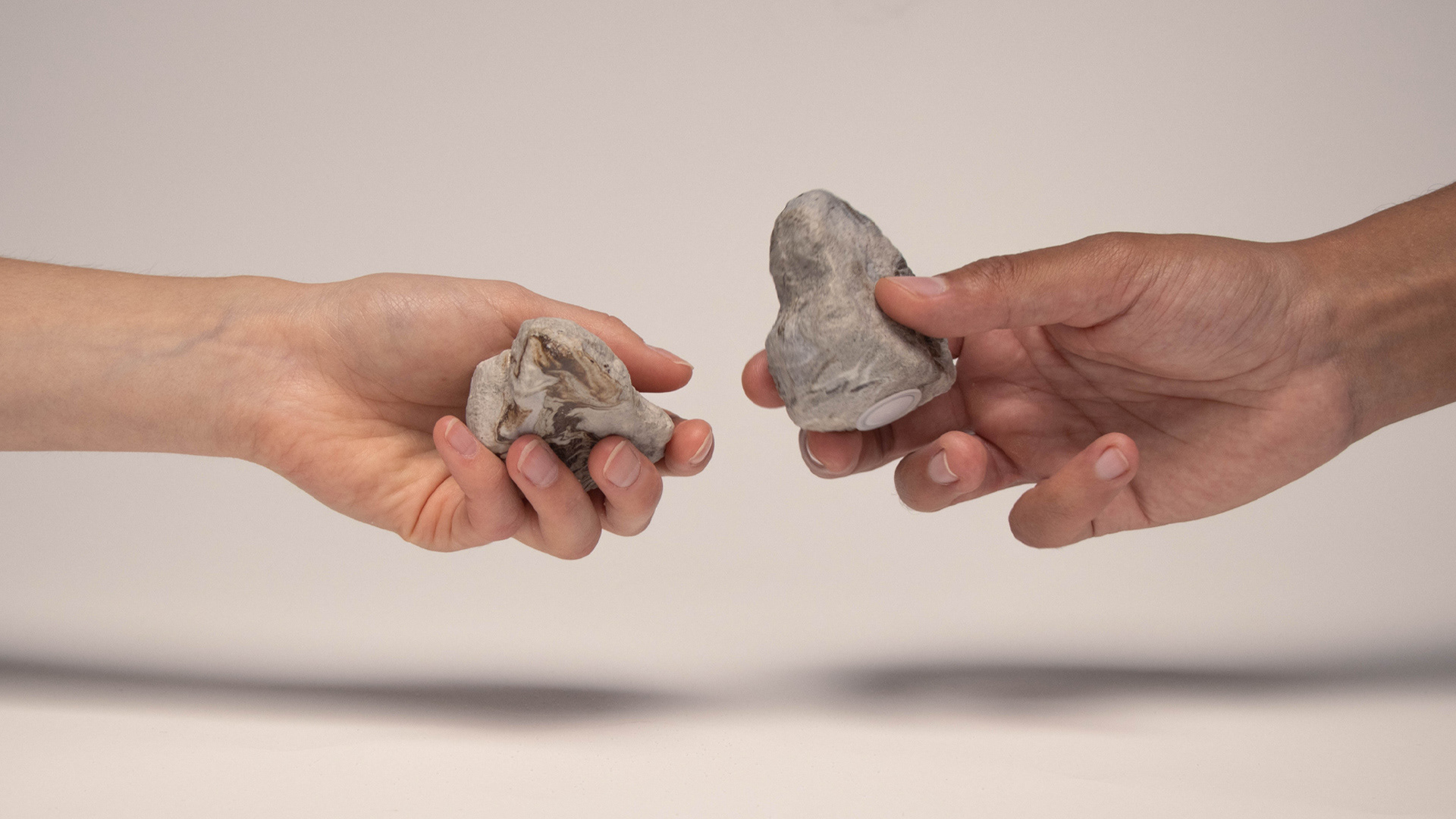
LCL Salz- & Pfefferstreuer is a limited series of salt and pepper shaker set that became the starting point for Studio LCL.
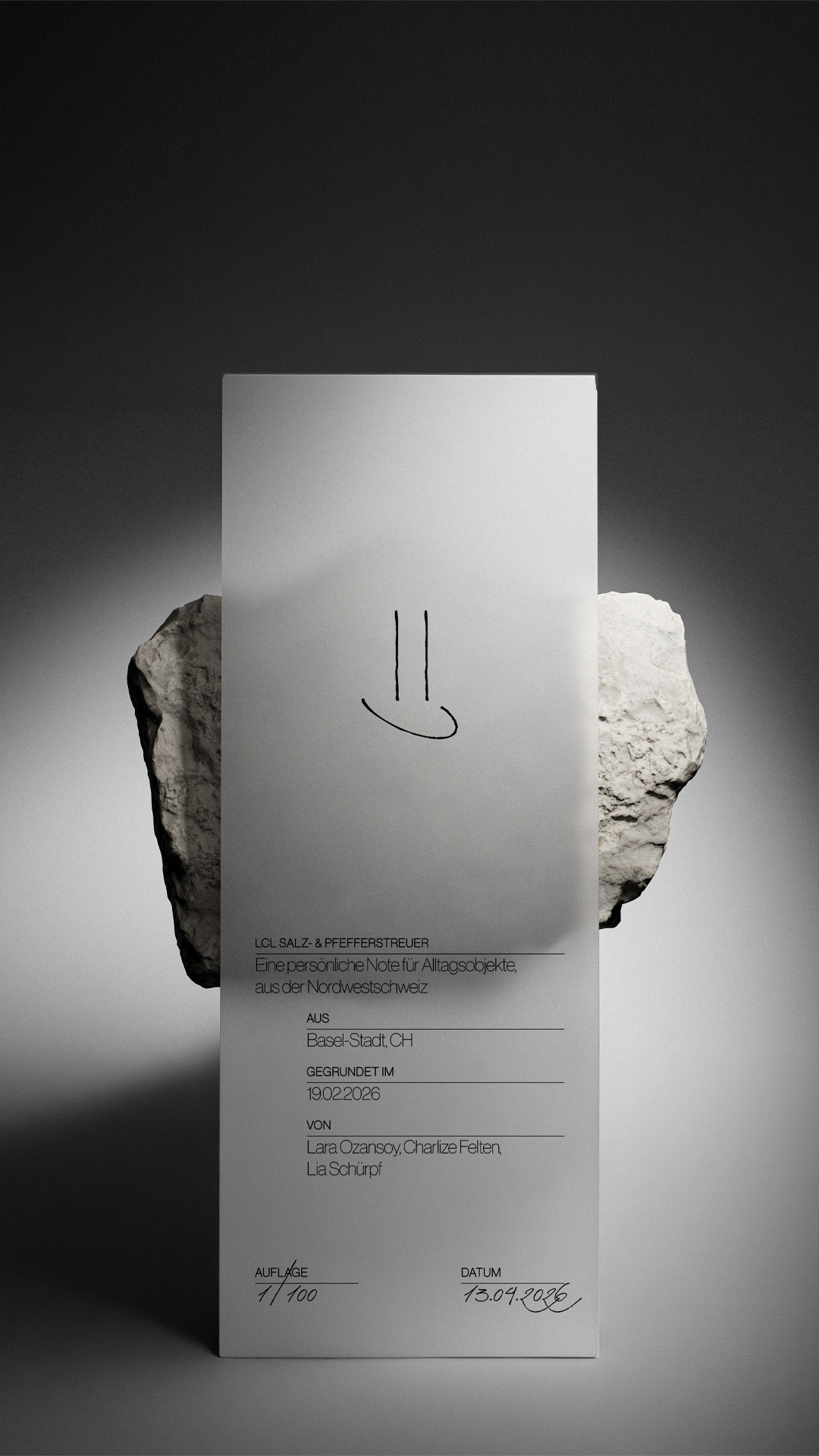
Studio LCL was founded in Basel in February 2026 by Lara Ozansoy, Charlize Jana Felten and Lia Lorena Mercedes Schürpf. Having met during their Master's studies in the Masterstudio Design program at Fachhochschule Nordwestschweiz (FHNW), where Industrial Design, Fashion Design and Scenography intersect; the interdisciplinary team brought together different perspectives to create projects that move between design, storytelling and cultural narratives. The name LCL combines the initials of its founders and reflects the collaborative foundation of the studio.
Coming from Turkey, Luxembourg and Switzerland, the founders share different cultural backgrounds yet discovered a common foundation through materials for centuries. Stone and clay are approached as carriers of knowledge, memory and connection.
Stone represents foundation. Clay represents connection.
While rooted in individual histories, these materials continue to influence daily life, connecting past and present through both tradition and contemporary practice.
LCL Salz- & Pfefferstreuer includes one salt and one pepper shaker, with each set is individually made, slightly different and connected to its material origin. Each piece carries slight variations, making every object unique.
Each shaker is filled from below through a removable BPA-free, food-safe silicone plug fitted at the base of the piece allowing the shaker to be easily refilled, cleaned and maintained while remaining invisible during use, preserving the stone-like silhouette of the object.
The interior of each shaker is coated with a transparent food-safe ceramic glaze. This glaze seals the clay surface for safe contact with food, protects the interior from moisture and staining and preserves the raw texture and natural color of the exterior clay surface.
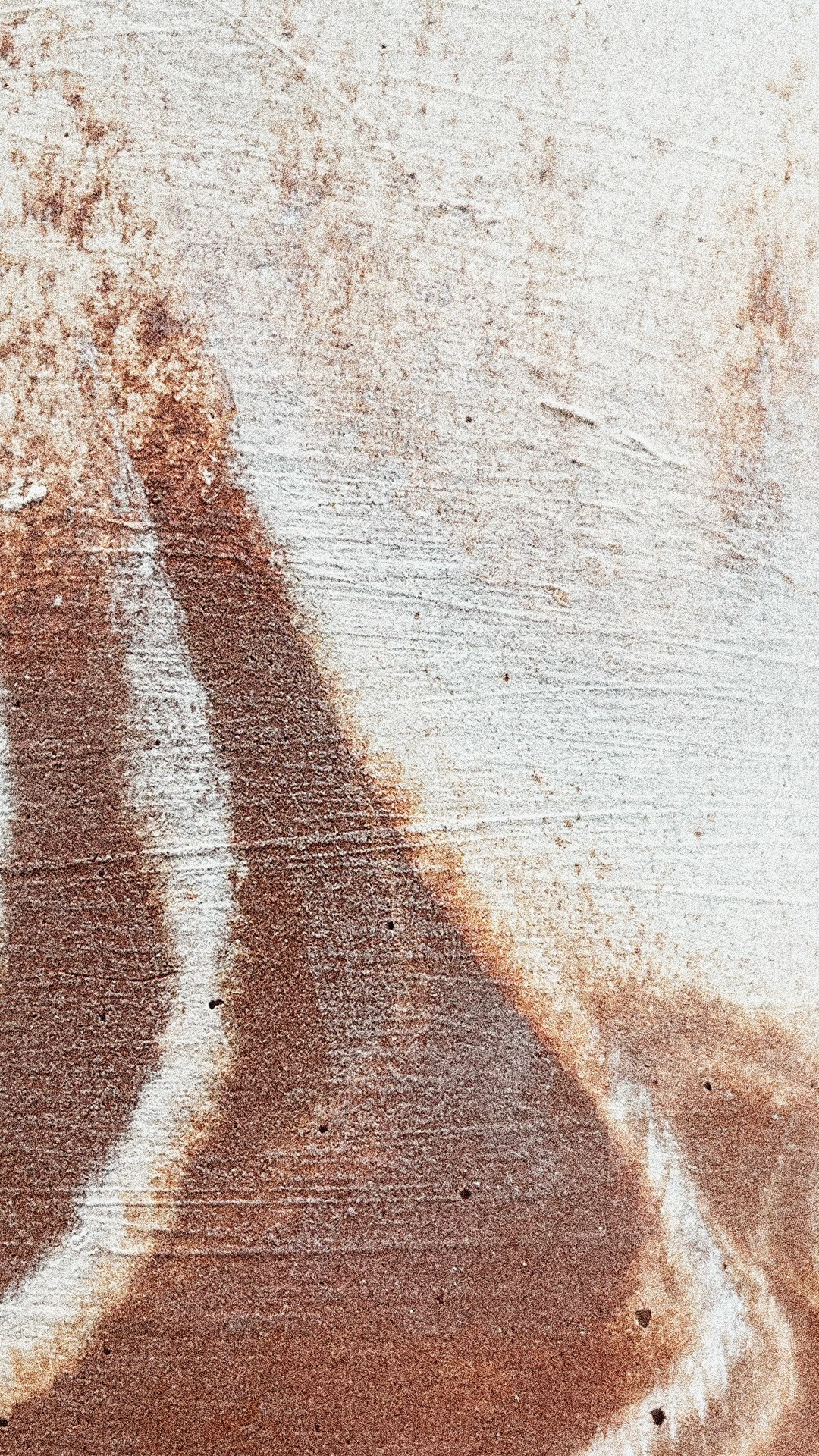
A Simple Question
How can an everyday object become something truly special?
Salt and pepper shakers exist in every household.
They are functional, familiar and often overlooked.
The project set out to transform this object from something that stays in the background
into something that carries a story, invites interaction and remains present in everyday life.
into something that carries a story, invites interaction and remains present in everyday life.
An object that is not only used daily, but also experienced, displayed and valued.
From the beginning, the project followed a clear principle: everything should be sourced locally. Not only the materials, but also the references, processes and stories behind them.
The project became a way of tracing connections between landscape, material and object. Each decision strengthened the relationship between what the object is, where it comes from and the stories it carries.
Nature Already Provides
Perfect Compositions
Perfect Compositions
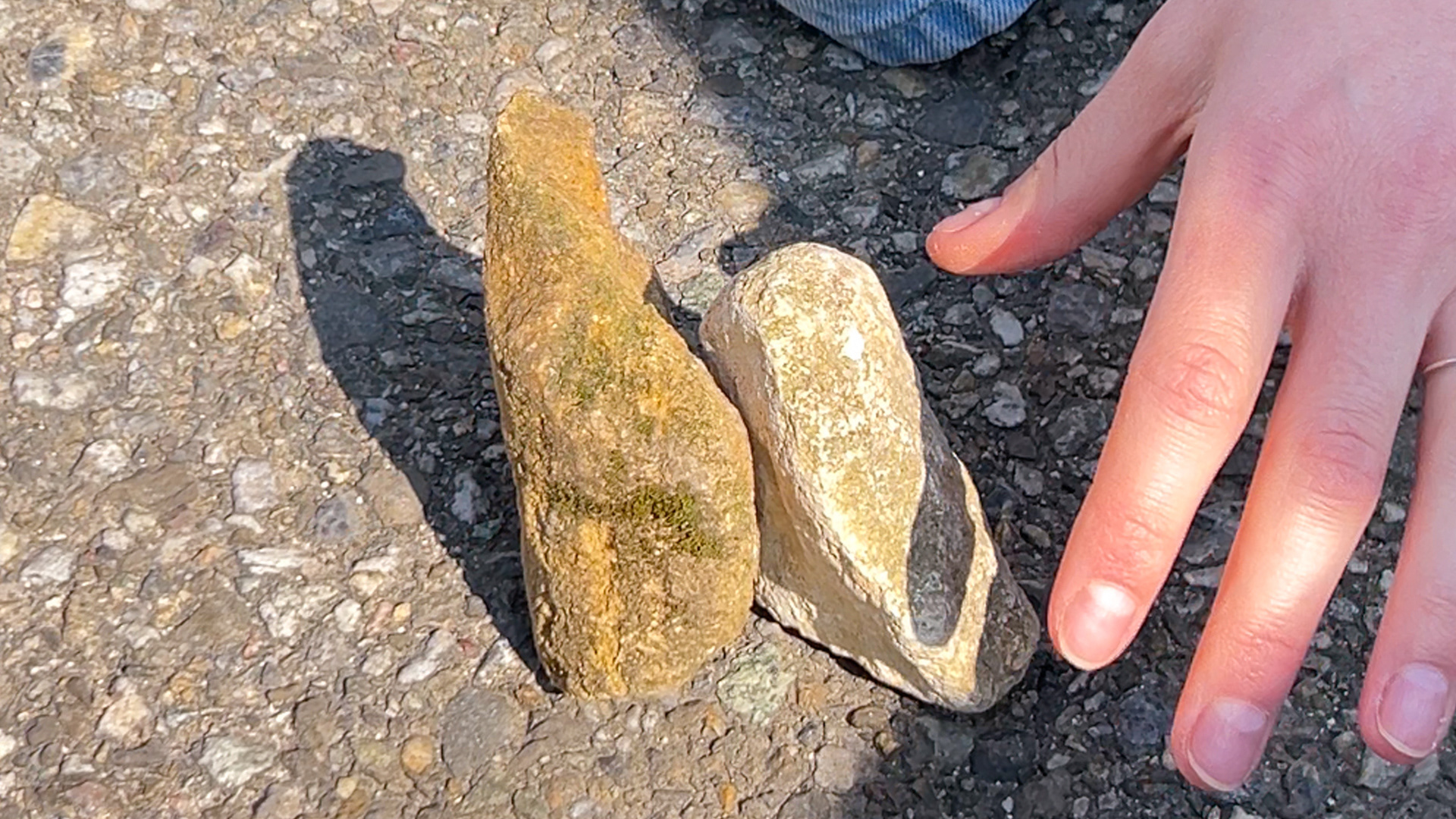
The initial approach explored geometric and artificial forms combined with natural textures. However, nature already provides perfect compositions.
Salt and pepper shakers always exist as a pair.
This led to a search for forms that naturally relate to each other; forms that fit, balance and “hug” one another, creating an organic sense of belonging.
These relationships became the foundation of the project.
Stone became more than a visual reference. The organic shapes, textures and weight of the stones reflect the qualities of clay and ceramic, creating a subtle illusion between natural object and designed form.
What appears designed often already exists in nature.
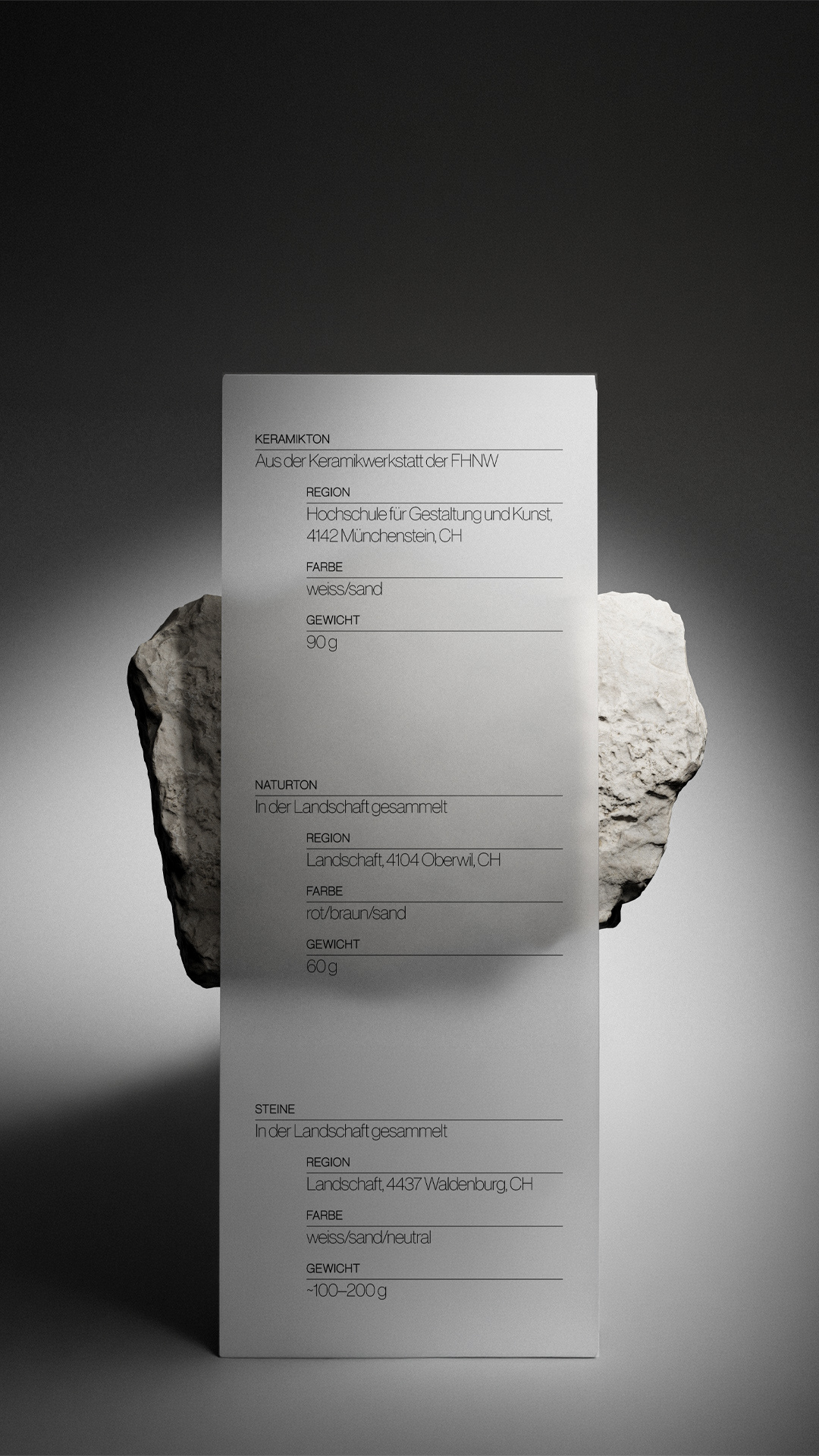
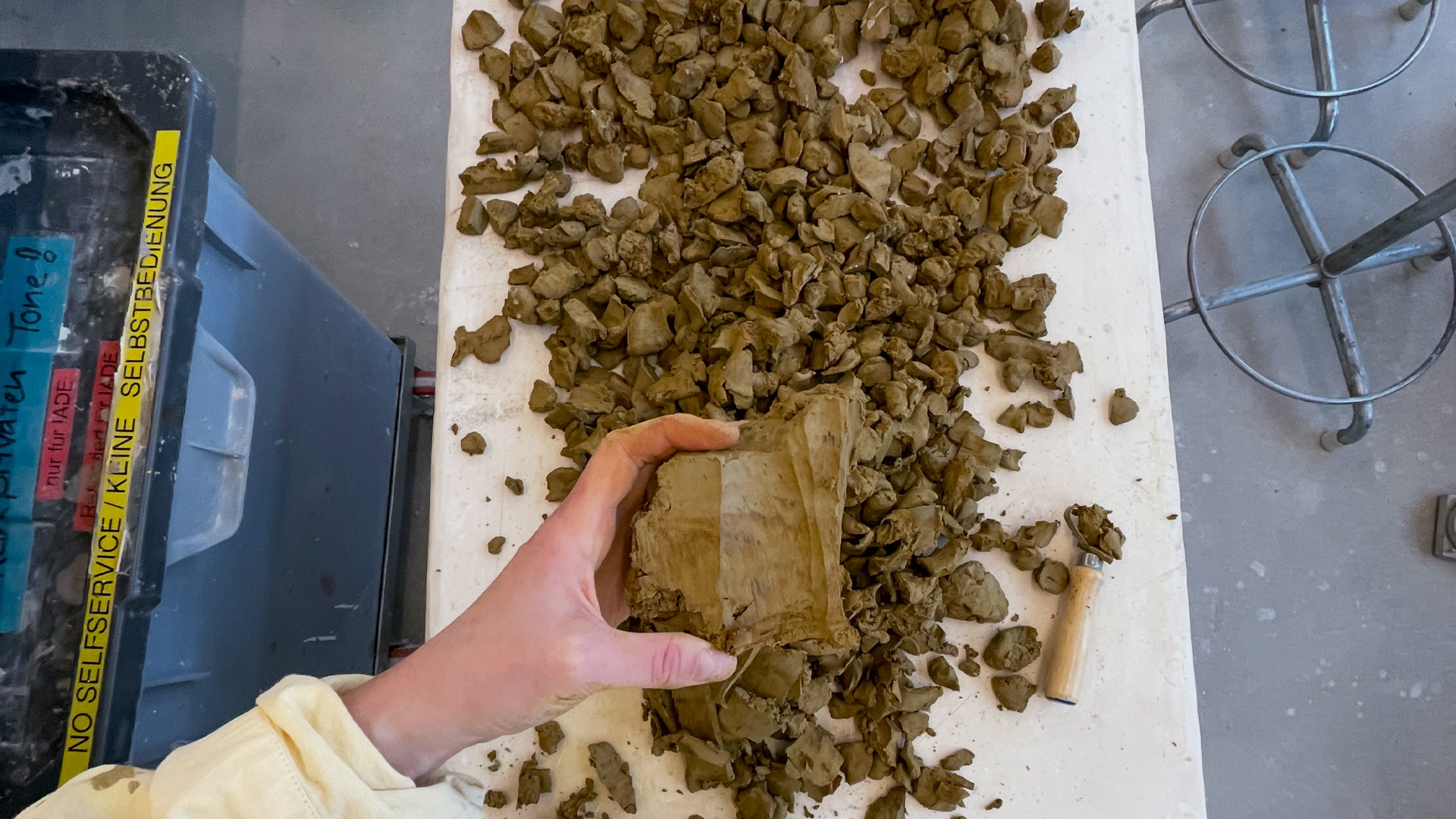
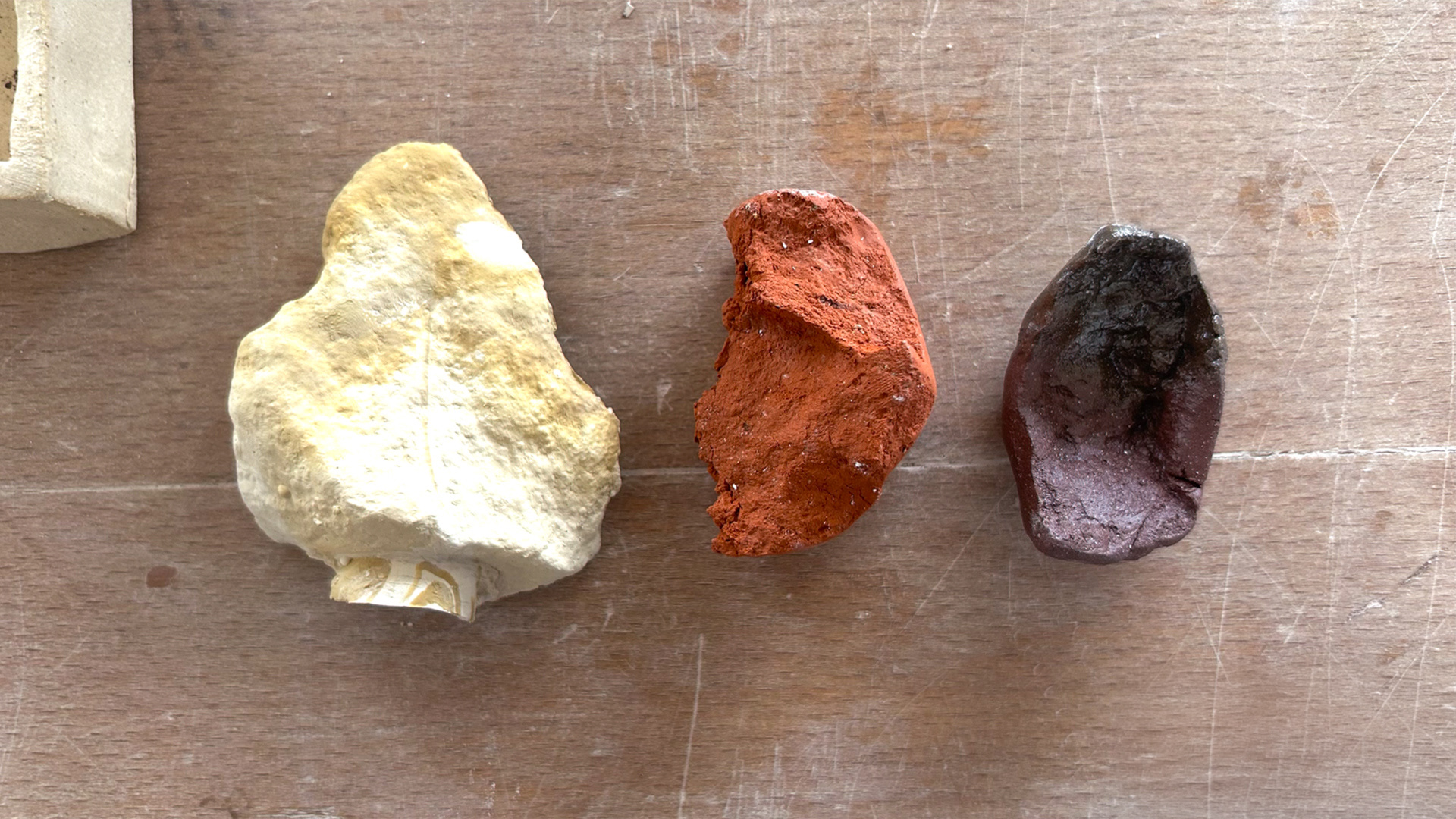
Stones and clay were collected from the landscapes of Oberwil (BL) and Waldenburg (BL). This step turned the project into a physical exploration, connecting the object directly to the region.
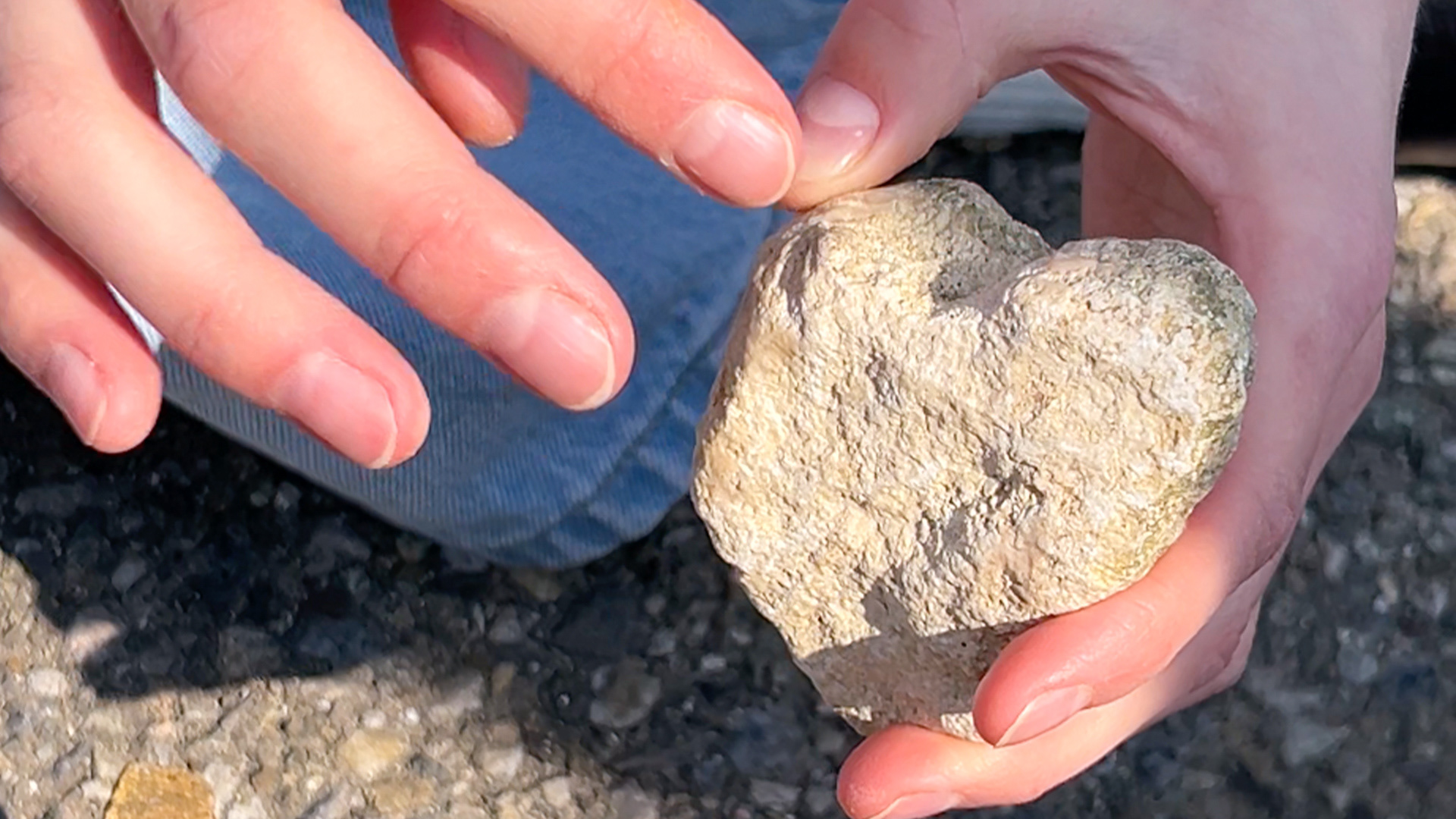
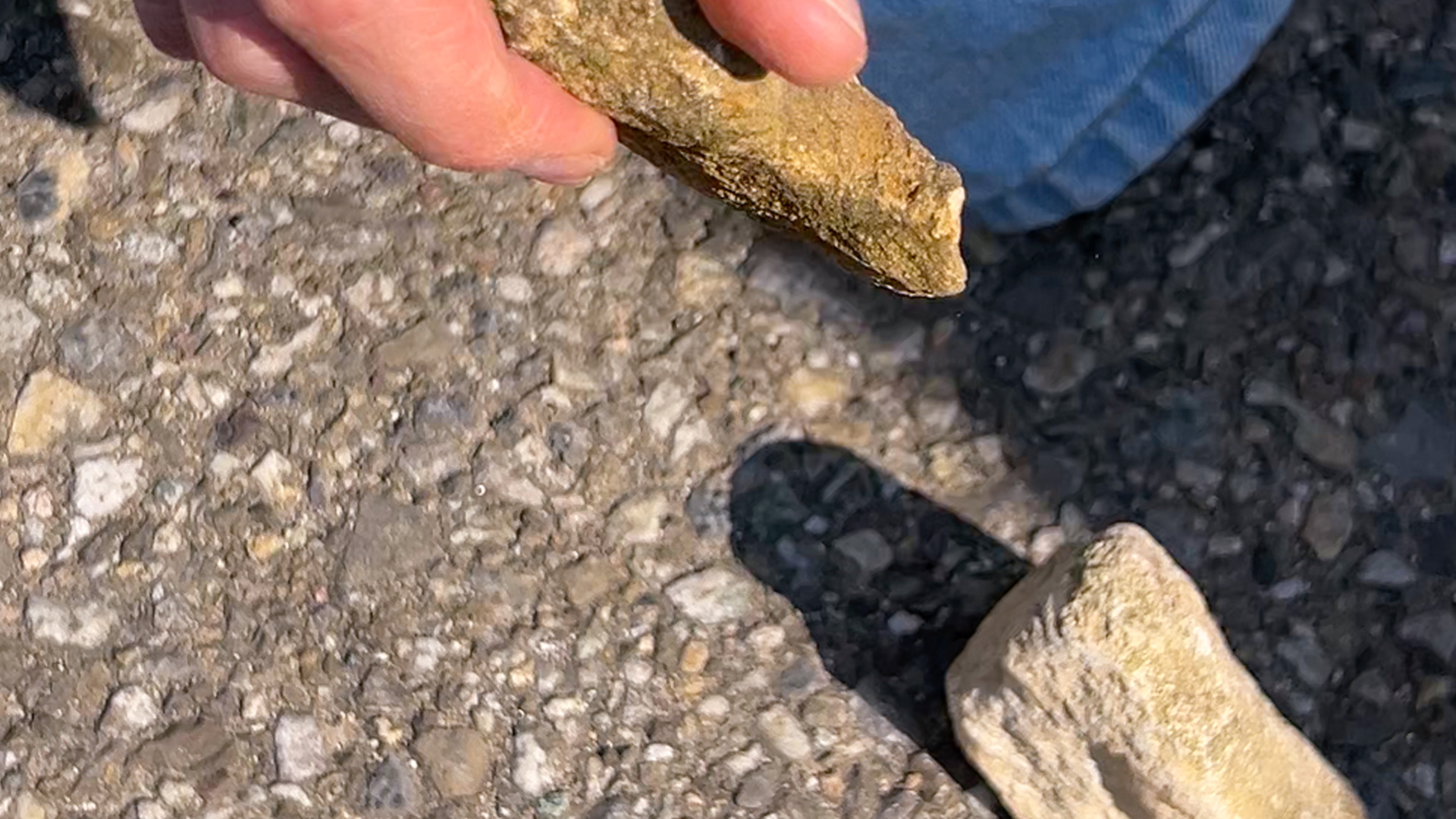
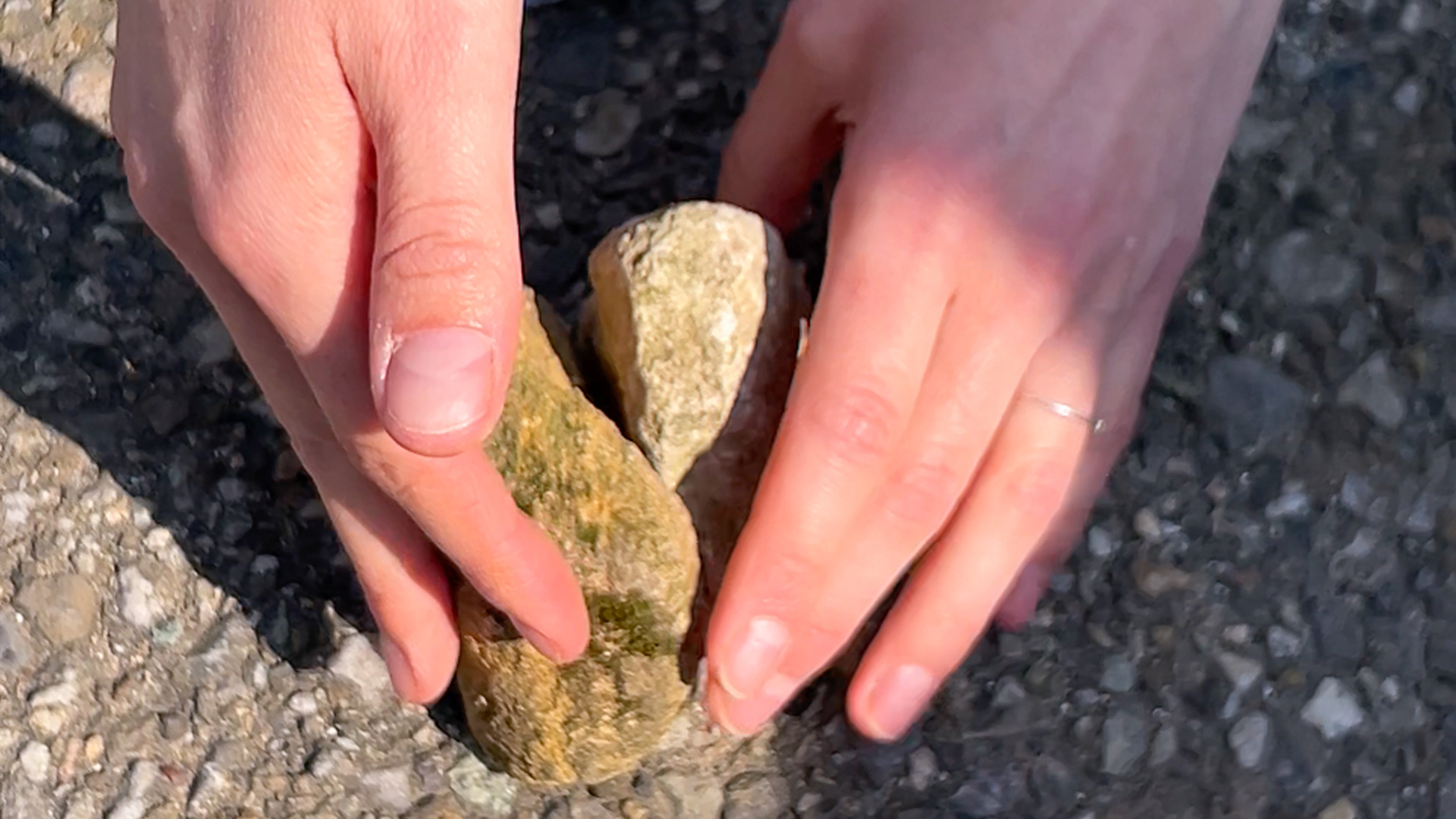
From Found Material
to Designed Object
to Designed Object
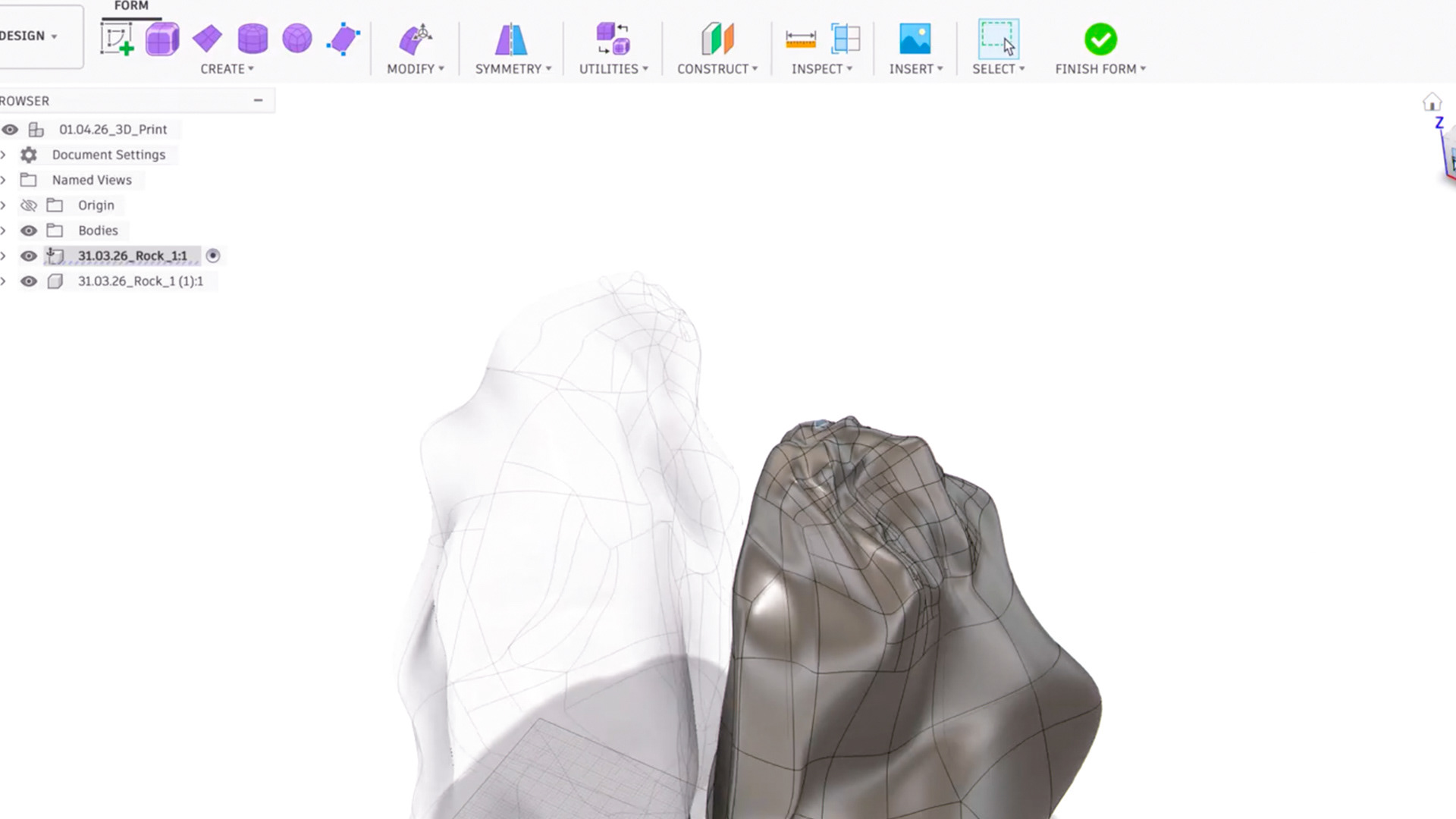
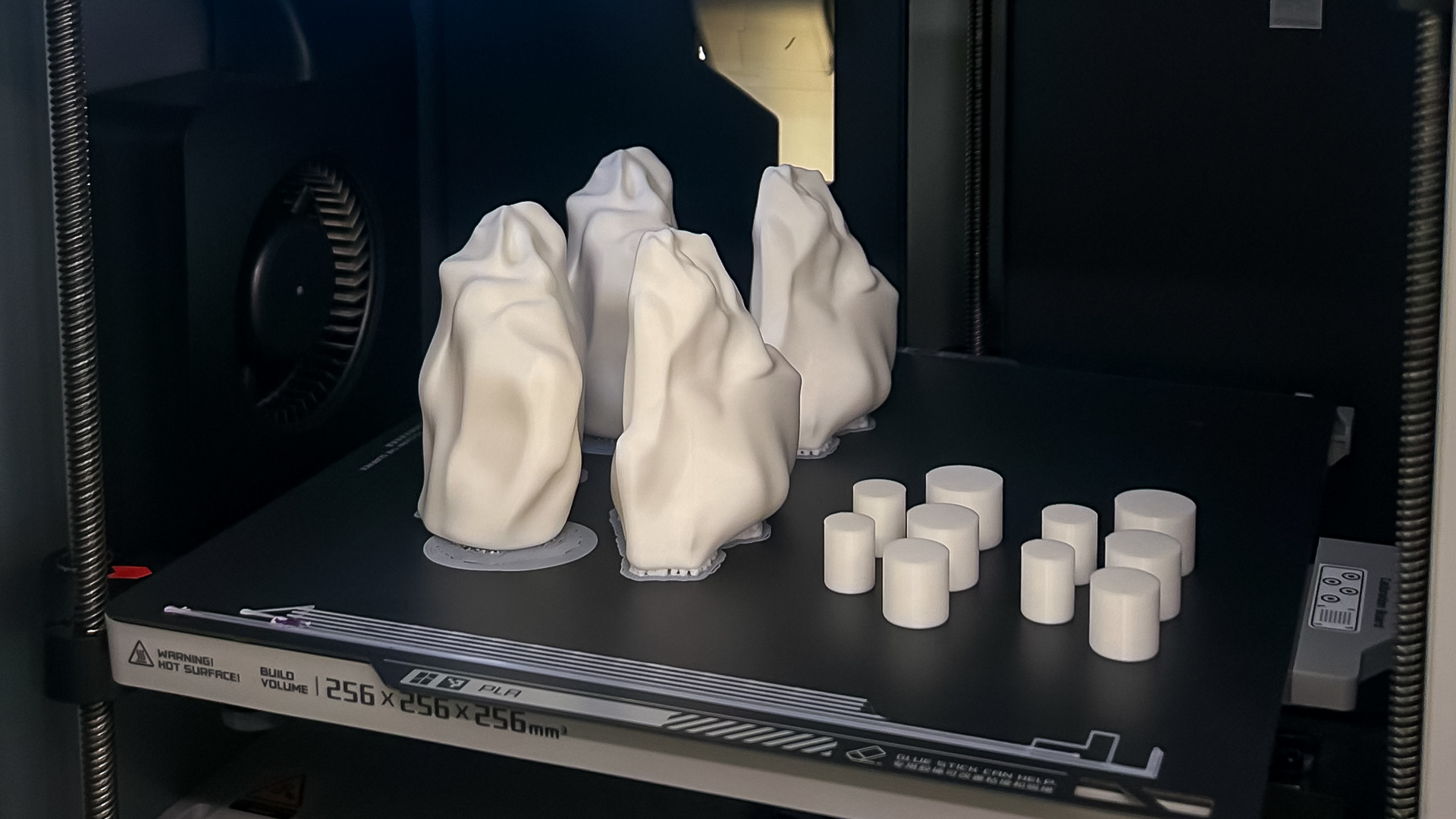
Initially, the process moved between digital and physical experimentation. Stones were scanned, digitally modified and translated into forms through 3D modeling and prototyping.
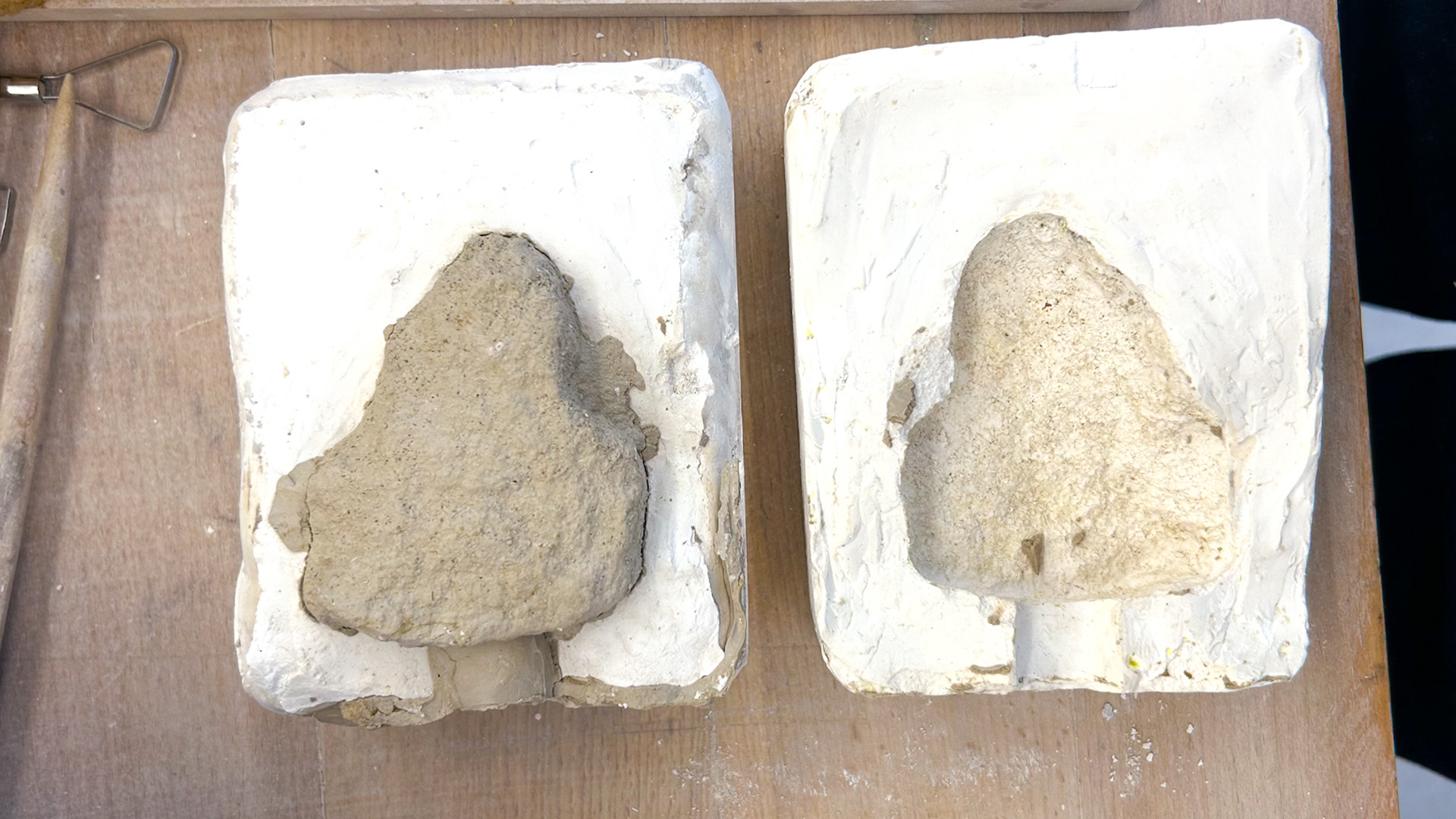
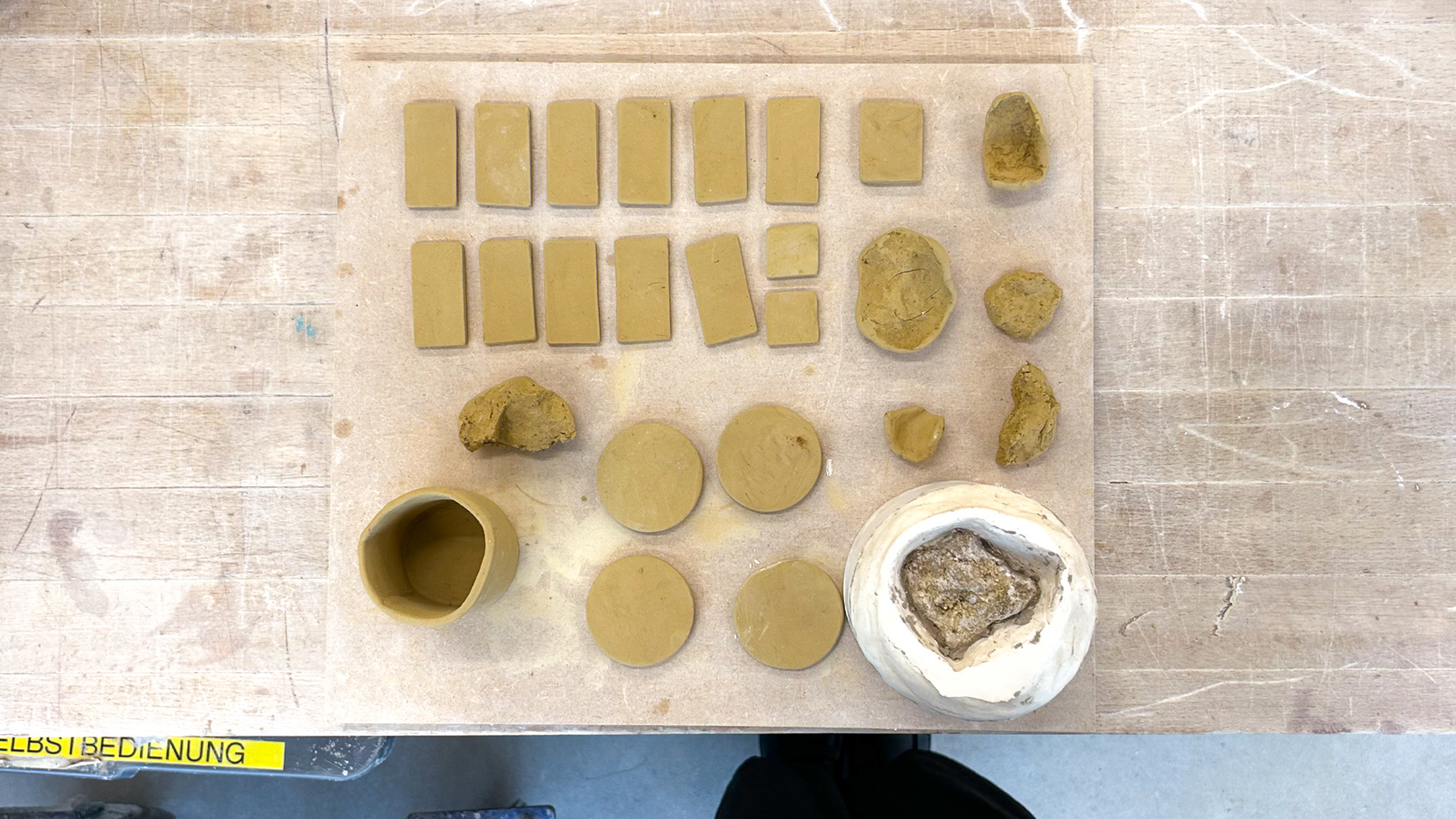
Instead of designing purely digitally, the process remained hands-on with found materials, observing their shapes, textures and relationships.
Working hands-on with clay and ceramics allowed each object to preserve the organic qualities and subtle irregularities found in nature while giving every piece an individual character.
Each stone carries its own character.
No two are identical.
This individuality remains visible in every final piece.
The Regional
Narrative Beyond Form
Narrative Beyond Form
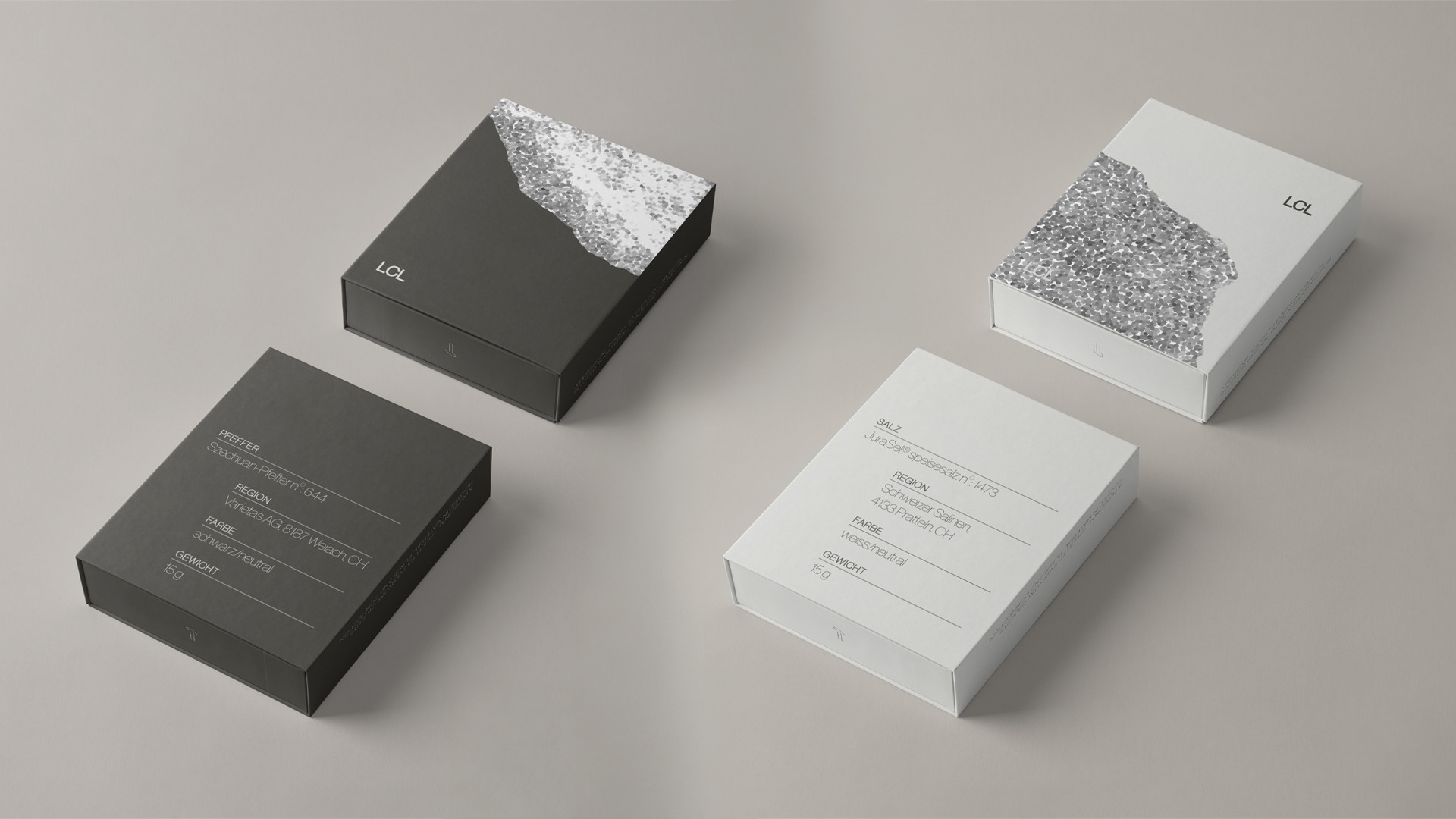
The visual identity of the project extends the regional narrative beyond the objects themselves.
The subtle marble-like surface effect references geological and natural layering, visually connecting the objects to the landscapes they originate from. The textures were scanned and transformed into graphic patterns, compositions and color palettes.
For typography, the project uses Helvetica, originally developed by the Haas Type Foundry in Münchenstein, Basel, reinforcing the connection between material, place and visual communication.